

When planning a major residential project, many homeowners find themselves deciding between restoring a heritage home or building a brand new custom residence. While both paths can produce exceptional results, they involve very different processes, costs, timelines, and considerations.
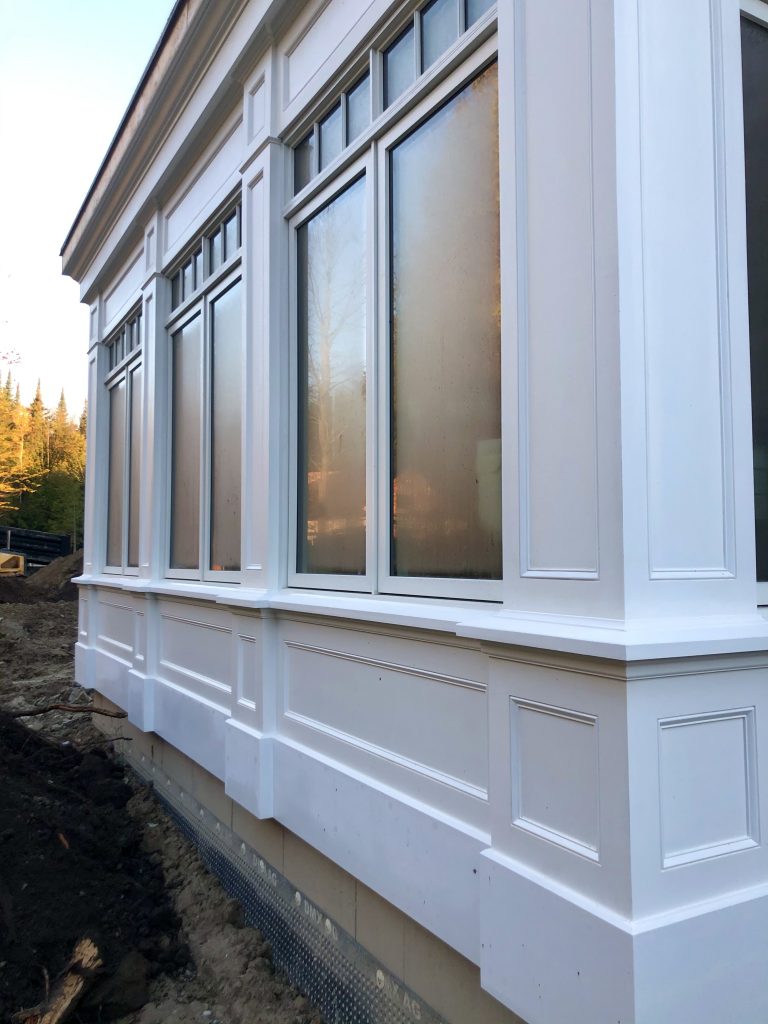
The Character and Craftsmanship of Heritage Homes
Heritage homes offer a level of architectural detail and craftsmanship that is difficult to replicate in modern construction. Features such as plaster mouldings, custom millwork, original masonry, hand-built staircases, and old-growth timber framing give these homes a unique character and historical value.
Restoring a heritage property allows homeowners to preserve that authenticity while upgrading the home to modern standards. Many clients are drawn to the charm, location, and individuality that older homes provide.
However, heritage restoration is often far more complex than it appears on the surface.
Common Challenges in Heritage Restoration
Older homes frequently contain hidden conditions that are only uncovered during demolition or exploratory work. These can include:
- Structural deficiencies
- Outdated electrical and plumbing systems
- Water damage and rot
- Improper renovations completed over decades
- Foundation settlement
- Hazardous materials such as asbestos or lead
In many cases, restoring a heritage property requires balancing preservation with modernization. This means integrating new mechanical systems, insulation, waterproofing, and structural reinforcement without compromising the original character of the home.
It is also common for restoration projects to require close coordination with engineers, designers, heritage consultants, and municipal authorities.
The Advantages of Building New
New custom homes offer a completely different level of flexibility and predictability.
With new construction, homeowners have the ability to design around modern lifestyles from the beginning. Floor plans, ceiling heights, energy efficiency, smart home integration, and structural systems can all be optimized without the limitations of an existing structure.
Some advantages of new construction include:
- Greater design flexibility
- More predictable construction timelines
- Improved energy efficiency
- Lower long-term maintenance costs
- Modern building envelope performance
- Easier integration of current building code requirements
Building new also allows homeowners to avoid many of the unknowns that come with older structures. While every construction project has variables, new builds generally provide more certainty when budgeting and scheduling.
Cost Considerations
One of the biggest misconceptions in residential construction is that restoration is always less expensive than rebuilding.
In reality, heritage restoration can sometimes exceed the cost of new construction due to the labour-intensive nature of the work and the unpredictability involved. Matching original materials, preserving architectural features, and correcting decades of structural or mechanical issues can significantly increase costs.
That said, every property is different.
In some situations, preserving portions of an existing structure may provide value from a zoning, permitting, or architectural standpoint. In others, rebuilding entirely may offer a better long-term investment.
A proper assessment should always include:
- Structural evaluation
- Mechanical review
- Foundation condition
- Heritage restrictions or approvals
- Budget analysis
- Long-term maintenance expectations
Choosing the Right Path
The decision between restoration and rebuilding ultimately comes down to priorities.
If preserving history, architectural character, and craftsmanship is important, a heritage restoration may be the right fit. If maximizing efficiency, layout flexibility, and long-term performance is the priority, new construction may provide better value.
In many cases, the best projects combine elements of both: preserving meaningful architectural components while integrating modern construction techniques and systems behind the scenes.